




Commentary: Isetan Nex closure marks the waning era of heartland department stores
From Isetan to BHG, department stores fading from the heartlands feels like losing an old relative, says writer Vivian Teo.
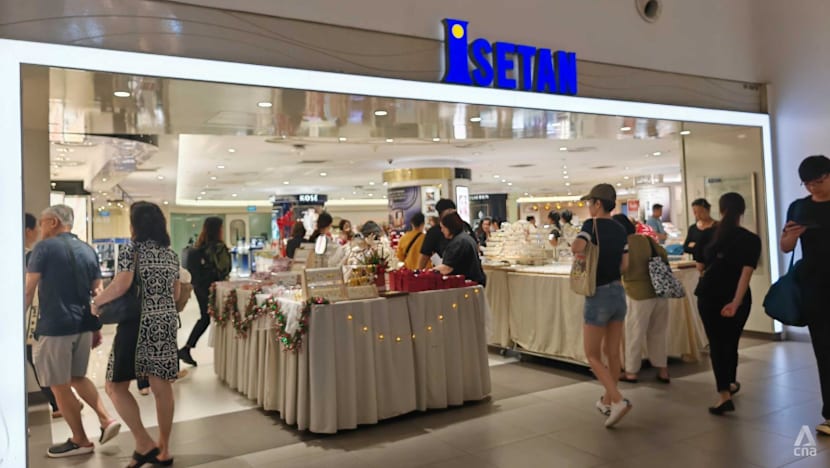
The Isetan store at Nex in Serangoon will close in April 2026. (Photo: Â鶹/Koh Wan Ting)

This audio is generated by an AI tool.


SINGAPORE: After in November, Isetan has announced it will , leaving Isetan Scotts at Orchard Road as its only outlet.
For someone who frequents Nex since it opened 15 years ago, the news feels bittersweet. The closure effectively marks the end of Japanese-style department store culture in Singapore’s heartlands.
I can’t say I was entirely surprised by the announcement though. Department stores in Singapore have been on the decline for years. Players like BHG, Metro and OG have consolidated their outlets and now operate mainly in Orchard Road or the city fringes. In the heartlands, major department stores have almost disappeared, with the exception of outlets like Metro Causeway Point.
Over the years, the department stores’ “everything under one roof” model has lost ground to modern shopping malls. Their sprawling layouts feel dated compared to streamlined specialty shops like Uniqlo and Decathlon. Their food and household items can be pricier than those offered by supermarkets and discount chains.
Combined with more budget-conscious suburban shoppers, high rental costs and fierce competition from e-commerce platforms, it’s easy to see why heartland department stores struggle to stay profitable.
To me, their fading presence in the heartlands is like saying goodbye to an old relative – someone once familiar and comforting, whose place in my life has become a cherished memory.

FOND MEMORIES
For millennials and those of us who are older, like myself, department stores were a big part of our childhood weekends. Names like Sogo, Robinsons and John Little dominated the city, while Yaohan and Oriental Emporium were common sights in the heartlands. They were places where you could find everything from fashion to toys, household goods and even groceries.
I still recall with fondness my parents taking me to Yaohan Thomson for the children’s rides and to Toa Payoh’s Emporium to shop for Chinese New Year clothes. Later, as a young working adult, I often dropped by BHG at Junction 8 for work dresses and shoes.
When I became a mum, Isetan Nex – opened the same year as my elder daughter’s birth – became part of my family’s story too. Whenever I shopped there, I found a distinct warmth that other stores lacked. Staff greeted customers as shutters rolled up, and promoters were friendly and persuasive. I still remember being convinced to buy bath towels after a promoter highlighted their promotional prices and explained the differences in fabric quality and softness.
Isetan Nex was also where I shopped for my daughters’ clothes when they were younger and where they grew up exploring its toy section. The shelves of play dough, Lego, board games and plush toys felt endless and almost magical. Watching them test educational toys brought back echoes of my own childhood.


WOULD DEPARTMENT STORES BE MISSED?
Gen Zs may be the last generation to experience heartland department stores, but I’m not sure they’ll miss them. My teenage girls never insisted on going to Isetan for anything specific. Their fashion go-tos are Uniqlo, Cotton On or simply online shopping.
For some older folks, though, department stores probably still hold meaning. My parents, now in their 70s, are less tech-savvy and not keen on browsing boutiques or online shops. They often think of Isetan Nex – their nearest department store – or OG, when they need clothes or shoes for festive occasions or wedding dinners. To them, department stores still promise better variety and quality, as they did in the past.
As department stores exit heartland malls, suburban malls feel increasingly cookie-cutter. Walk into any of them and you’ll see the same fashion lineups and fast food chains. The distinctiveness and sense of nostalgia that department stores once brought to malls has slowly faded away.
Perhaps the survival of department stores in Singapore lies in exiting the heartlands and concentrating in shopping belts, where they can cater to less price-sensitive shoppers and carve out niches – much like their counterparts in Japan with vibrant food halls and curated brand mixes.
The difference between the department stores in Orchard Road and suburban malls is clear. The food halls and specialty offerings of Isetan Scotts and Takashimaya set them apart from heartland stores.
I remember visiting Isetan Scotts during a family staycation in the city a couple of years ago. While sampling Japanese food stalls and browsing adorable stationery, I remarked to my kids: “Why don’t we have these at Isetan Nex?” The experience felt distinct, almost elevated.
I’ll miss the convenience and nostalgia of having a department store in my neighbourhood. But I know nostalgia alone isn’t enough to keep them alive in the heartlands. When the mood strikes, I’ll make a trip to Orchard Road instead to rediscover the joy of department store shopping.
Vivian Teo is a freelance writer, children’s book author and mum-of-two who blogs at .


